How to Reduce Anxiety Naturally: Anxiety is one of the most common mental health challenges, and many people immediately think of medication as the solution. But the good news is that you can reduce anxiety naturally without medication using lifestyle changes, mindfulness practices, and practical coping strategies.
Psychology research shows that anxiety is often fueled by overthinking, stress, and imbalance in daily routines. By learning how to calm your nervous system, regulate your thoughts, and build resilience, you can significantly reduce anxiety naturally.
In this guide, you’ll discover 12 proven methods that help calm the mind, reduce stress, and promote emotional balance—all without relying on drugs.
Why Natural Anxiety Relief Works
When anxiety appears, your body automatically activates the “fight or flight” response. This is a survival mechanism designed to protect you from danger. Your brain signals the release of stress hormones such as cortisol and adrenaline, preparing your body to react quickly.
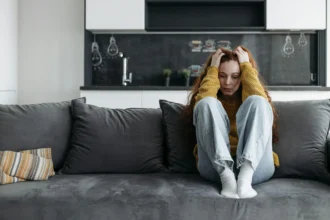
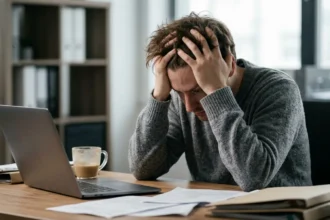
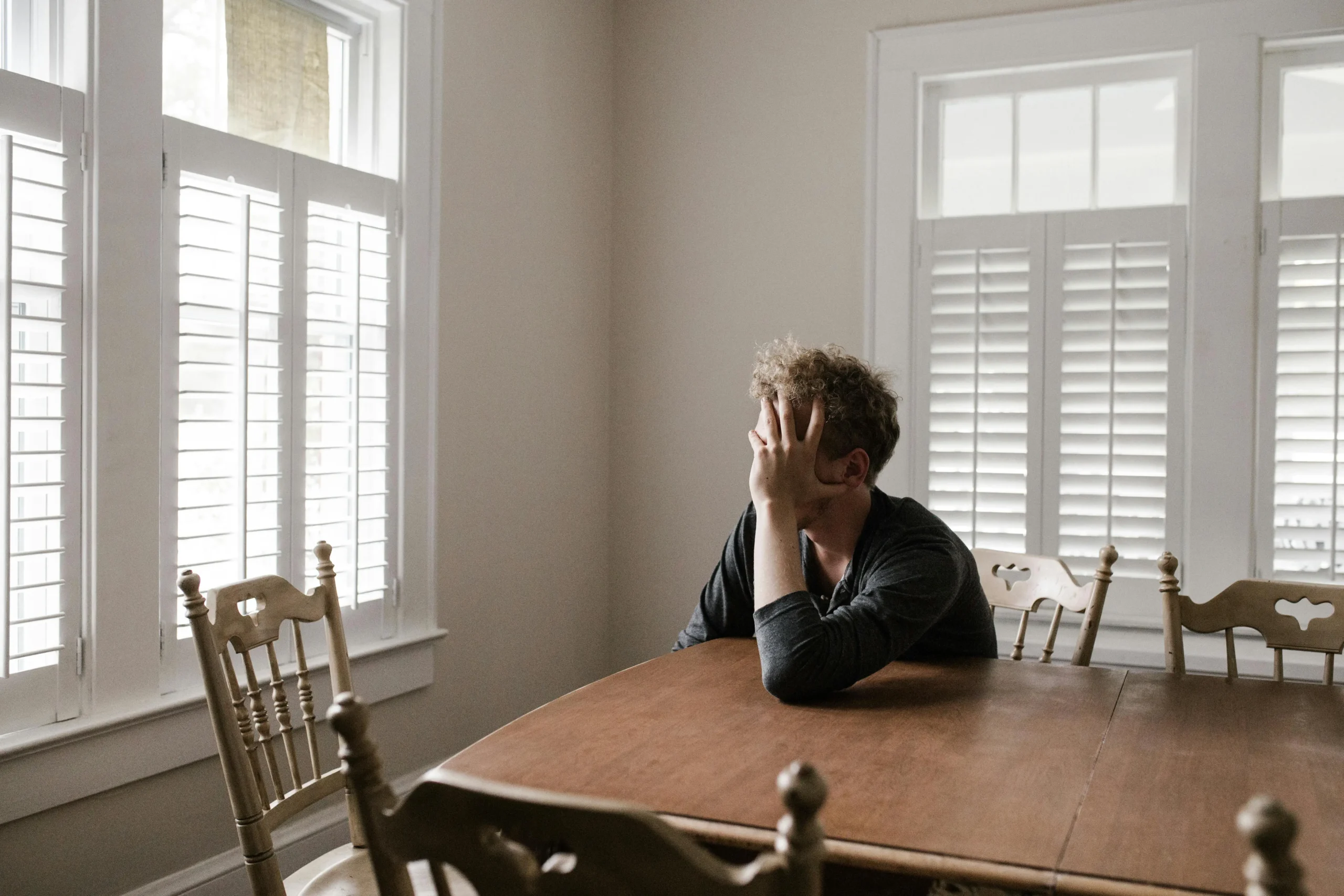
Your heart rate increases, breathing becomes faster, muscles tighten, and your mind becomes hyper-alert. While this response is helpful in real danger, modern anxiety is often triggered by everyday stress—deadlines, financial worries, social pressure, or overthinking about the future.
The problem is that the body cannot easily distinguish between a real physical threat and a stressful thought. As a result, the stress response activates even when you are simply worrying or imagining worst-case scenarios.
Natural anxiety relief methods work because they target the root causes of this stress response, helping your body return to a balanced and calm state. Instead of suppressing symptoms temporarily, these methods train your brain and nervous system to handle stress more effectively.
One of the main goals of natural techniques is calming the nervous system. Practices like deep breathing, mindfulness, and relaxation exercises activate the parasympathetic nervous system, which is responsible for rest and recovery. When this system is activated, your heart rate slows down, muscles relax, and your body begins to feel safe again.
Another important benefit of natural anxiety relief is regulating breathing and heart rate. Anxiety often causes shallow and rapid breathing, which can increase feelings of panic or tension. Controlled breathing techniques send signals to the brain that everything is under control, helping stabilize both your breathing pattern and heart rhythm.
Natural approaches also help in reducing mental overthinking, which is one of the biggest drivers of anxiety. When your mind constantly repeats worries or negative scenarios, your stress levels remain high. Mindfulness practices, journaling, and meditation teach your brain to observe thoughts without getting trapped in them.
Over time, these habits also help increase resilience to stress. This means your mind becomes stronger and more capable of handling challenges without becoming overwhelmed. Instead of reacting with fear or panic, you begin to respond with clarity and calmness.
The long-term result of using natural anxiety relief methods is a calmer mind, improved concentration, and greater emotional stability. You feel more in control of your thoughts and reactions, which leads to better decision-making and a stronger sense of inner balance.
Unlike quick fixes that only mask symptoms, natural techniques help retrain your mind and body to respond to stress in a healthier way. With consistent practice, they create lasting changes that support both mental well-being and overall quality of life.
12 Practical Ways to Reduce Anxiety Naturally Without Medication

1. Practice Mindful Breathing
Breathing exercises help regulate your nervous system and reduce physical tension caused by anxiety.
4-7-8 Breathing Technique
- Inhale through your nose for 4 seconds
- Hold your breath for 7 seconds
- Exhale slowly through your mouth for 8 seconds
- Repeat for 5–10 minutes
This slows your heart rate and signals your body to relax.
2. Engage in Regular Physical Activity
Exercise reduces anxiety by releasing endorphins and lowering cortisol levels.
Suggested Activities
- Walking or jogging outdoors
- Yoga or Pilates
- Strength training
- Dancing or swimming
Even 20–30 minutes a day can improve mood and calm the mind.
3. Limit Caffeine and Sugar
Stimulants like caffeine and sugar can trigger nervousness, jitters, and racing thoughts.
- Replace coffee with green tea or herbal teas
- Eat balanced meals with protein and fiber
- Avoid processed sugars when anxious
Small dietary changes can significantly reduce physical anxiety symptoms.
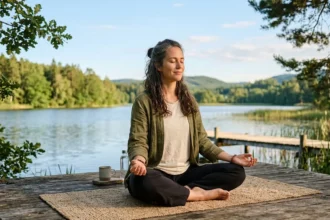
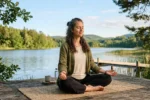
4. Practice Mindfulness Meditation
Mindfulness trains your mind to focus on the present, instead of worrying about the past or future.
5-Minute Mindfulness Routine
- Sit comfortably and close your eyes
- Focus on your breath or bodily sensations
- Notice thoughts without judgment
- Gently return attention to your breath
Daily mindfulness reduces rumination, a major cause of anxiety.
5. Ground Yourself Using the 5-4-3-2-1 Technique
This technique brings your attention to the present moment:
- Identify 5 things you see
- 4 things you feel
- 3 things you hear
- 2 things you smell
- 1 thing you taste
Grounding shifts focus from anxious thoughts to tangible experiences.
6. Journaling to Release Thoughts
Writing down worries gives your brain closure and reduces mental clutter.
How to Journal for Anxiety
- List your worries
- Write down possible solutions
- Note what you can control vs. what you cannot
This practice creates mental clarity and emotional relief.
7. Practice Progressive Muscle Relaxation
Tense muscles are a physical sign of anxiety. Progressive muscle relaxation reduces tension by sequentially tensing and releasing muscle groups.
Steps
- Start at your toes, tense for 5 seconds, release
- Move to calves, thighs, abdomen, arms, shoulders, neck
- Focus on the sensation of relaxation
8. Spend Time in Nature
Nature exposure lowers cortisol and improves mood.
- Walk in parks, forests, or along beaches
- Practice deep breathing outdoors
- Notice natural sounds and scenery
Even short sessions can have calming effects.
9. Build a Support System
Talking to trusted friends or family reduces emotional load.
- Share feelings without judgment
- Seek advice or empathy
- Join support groups or mindfulness circles
Connection reduces isolation and anxiety intensity.
10. Limit Screen Time and News Intake
Constant notifications and negative news can increase anxiety.
- Schedule specific times to check emails or social media
- Avoid phone use before bedtime
- Replace scrolling with relaxing activities
Reducing screen exposure calms your mind.
11. Practice Gratitude Daily
Focusing on what you appreciate shifts your brain away from worry.
Exercise
- Write 3 things you’re grateful for each day
- Reflect on positive moments from the day
Gratitude enhances mood and resilience.
12. Develop a Routine
Anxiety often increases with unpredictability.
- Set a consistent sleep schedule
- Plan meals and daily activities
- Include relaxation breaks
A structured day provides a sense of safety and reduces worry.
Common Mistakes When Reducing Anxiety Naturally
- Expecting instant relief—natural methods take consistent practice.
- Ignoring lifestyle factors—sleep, diet, and exercise are crucial.
- Overthinking techniques—focus on small daily actions.
- Neglecting social support—Isolation can worsen anxiety.
Real-Life Example
Emma struggled with anxiety, constantly feeling restless and overwhelmed. She avoided social situations and relied on caffeine to stay alert.
She implemented these changes:
- Daily 10-minute mindfulness
- Regular walks outdoors
- Journaling and gratitude practice
- Reduced caffeine intake
Within weeks, she reported calmer thoughts, improved sleep, and less physical tension. These natural techniques empowered her to manage anxiety without medication.
FAQs
How to Reduce Anxiety Naturally?
By using mindfulness, physical activity, grounding techniques, journaling, gratitude, and structured routines. Consistency is key.
What foods help reduce anxiety naturally?
Foods rich in omega-3 (salmon), magnesium (leafy greens), and probiotics (yogurt) can support mental health. Avoid excess sugar and caffeine.
How long does it take to see results?
Most natural techniques show improvement in 2–4 weeks with daily practice, though small changes can be noticed immediately.
Can meditation alone reduce anxiety?
Meditation is highly effective, but combining it with exercise, diet, and routines enhances results.
Conclusion
Anxiety can feel overwhelming, but it doesn’t have to control your life. By learning how to reduce anxiety naturally without medication, you can restore balance, calm your mind, and regain confidence.
Start with small daily actions:
- Mindful breathing
- Journaling
- Spending time in nature
- Regular exercise
Over time, these habits build resilience, lower stress hormones, and help you navigate life’s challenges calmly.
Take the first step today—choose one technique and practice it consistently. Your calmer, more focused mind is within reach.