

You’re not broken weak or alone if you’ve been wondering “Why do I get angry so easily?” Millions of people have a hair-trigger temper that doesn’t seem to match what’s going on around them. One slow driver, one passive-aggressive comment, and one pile of dirty dishes can make you angry.
People often get this wrong: being angry all the time isn’t really about what makes you angry. It’s about what’s been going on under the surface for a long time before those triggers show up. The first step toward real, lasting change is to understand the difference.
This guide explains the scientific reasons why some people get angry easily, what your short fuse might be silently telling you about your mental and physical health, and how to control your emotions in a way that works right away.
What Does It Mean to Have a Short Fuse?
“Short fuse” is a slang term for having a low tolerance for frustration this means that you get angry more easily than most people. Everyone gets mad. That’s normal and good for you. But if you’re snapping at loved ones over little things, getting angry in traffic, or fuming for hours after small problems, there is something deeper going on.
📊 According to the American Psychological Association, anger is a problem when it happens a lot, is very strong, lasts too long, or makes you act aggressively. Research published in Frontiers in Psychology found that almost 1 in 10 people have intermittent explosive anger at some point in their lives but most never get help because they don’t realize it’s a treatable condition.
Short fuses can be biological or psychological, and they are often a mix of the two.
Why Do I Get Angry So Easily? The Main Reasons
Not Getting Enough Sleep and Being Too Tired
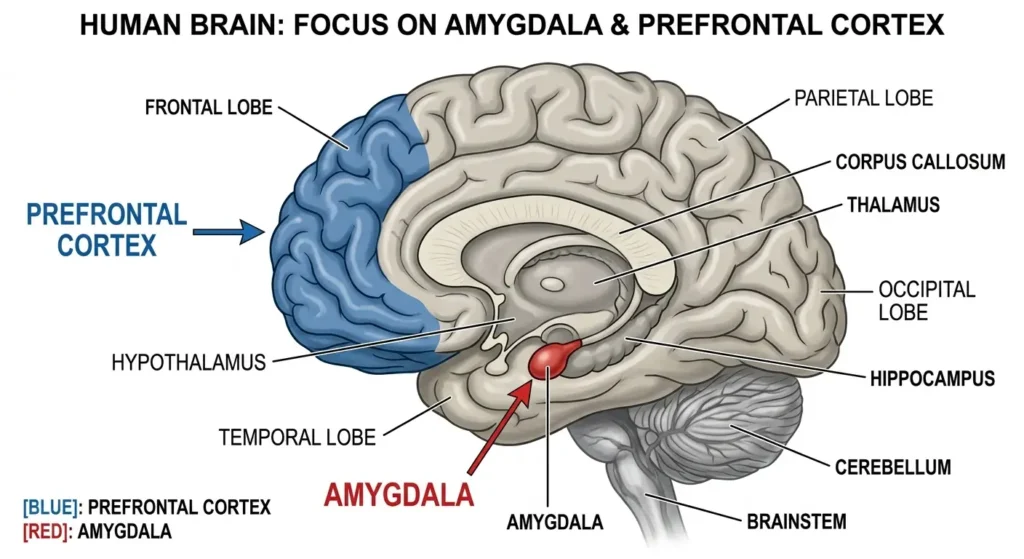
People don’t give this one enough credit. When you don’t get enough sleep, the amygdala which is the part of your brain that controls emotions goes into overdrive. Researchers at UC Berkeley found that people who didn’t get enough sleep had 60% more emotional reactivity in the amygdala than people who did get enough sleep.
When you’re tired, your brain can’t control your emotions as well, and anger is the first one that comes out. If you sleep less than 7 hours a night and wonder why little things make you angry, start here.
Stress and Anxiety That Hasn’t Been Dealt With
Stress and anger are very closely linked. When you’re under a lot of stress for a long time, your body makes a lot of cortisol, which keeps your nervous system in a low-level “fight or flight” state. When something annoying happens, you’re not just reacting to that moment you’re also reacting to all the stressors that have been building up quietly.
Anxiety and anger often go hand in hand in ways that aren’t clear. A lot of people who are anxious show it by being irritable instead of scared. So if you’re saying that anxiety isn’t your thing because you don’t feel panicky, check to see if you’re irritable, impatient, or always on edge instead.
Mental Health Conditions and Irritability
One of the most important but often ignored parts of emotional health is the link between irritability and mental health. Some things that make people easily angry are:
- Depression — frequently manifests as irritability, particularly in men, rather than sadness
- ADHD — emotional dysregulation is a key symptom that is often missed
- Bipolar disorder — irritability can come before or during mood episodes
- PTSD — being overly alert and having a low tolerance for anger are two of the most common signs
- Borderline Personality Disorder (BPD) — strong, quick emotional responses
If your anger comes on suddenly, seems out of proportion, and is followed quickly by guilt or regret, it’s better to talk to a mental health professional than just blame it on your personality.
Low Blood Sugar and Bad Nutrition
“Hangry” is a real state of being. When your blood sugar drops, your brain sees it as a threat and releases stress hormones like adrenaline and cortisol, which get your body ready for a fight. Not eating enough, eating a lot of sugar, or drinking a lot of caffeine without getting enough nutrients can all make you much angrier.
A lack of magnesium, in particular, has been linked to increased anxiety and irritability. A lot of adults don’t know that they are always low in it.
Childhood Conditioning and Patterns We Picked Up
If you grew up in a house where anger was the main feeling whether it was loud or quiet your nervous system learned that anger is the right way to respond to threats, disappointments, or feeling powerless. These patterns are very hard to change, but with the right tools, they can be changed.
On the other hand, if you were never allowed to feel angry as a child, you may never have learned how to deal with frustration in small amounts so it builds up until it explodes.
How to Spot Common Anger Triggers
Before you try to “fix” anything, you need to know what makes you angry and how you deal with stress. Some common triggers are:
- Feeling like you aren’t being heard, respected, or taken seriously
- Not being able to control a situation
- Injustice (real or imagined)
- Breaking up focused work
- Discomfort in the body (pain, hunger, heat)
- Expectations that aren’t met in relationships
- Little annoyances that build up with no way to let them out
💡 Practical exercise: For one week, keep a short log of your anger. Write down what happened, how intense it was (1–10), what you were thinking, and how you felt physically. Patterns show up quickly and give you a plan for how to help.
How to Stop Getting Mad About Little Things

Techniques for Controlling Your Emotions That Work
Learning how to control your emotions isn’t about hiding your anger it’s about dealing with it without letting it change how you act. There is clinical evidence to support these methods:
1. Breathing from the diaphragm (belly). Slowly breathing out turns on the parasympathetic nervous system, which lowers your heart rate and cortisol levels in less than 90 seconds. Breathe in for four counts, hold for four, and breathe out for six. This works not only after an episode, but also during one.
2. Re-evaluating your thoughts. Before you do anything, ask yourself, “What’s the most generous way to explain what just happened?” This method, which is very popular in cognitive behavioral therapy (CBT), changes the automatic judgments that make anger worse.
3. Relaxing your muscles in stages. Anger is a physical tension that lives in the body. Tightening and releasing muscle groups from your feet to your forehead in a systematic way releases that tension and resets your baseline.
4. Approaches based on mindfulness. Mindfulness-Based Stress Reduction (MBSR) and similar programs have been shown to lower anger-related reactivity by making the time between a trigger and a response longer what author Viktor Frankl called “the space to choose.”
The Pause-and-Name Method
One of the easiest and most effective things to do when you start to feel angry is to stop and say (even silently), “I’m feeling angry right now.” Researchers at UCLA found that putting a name to your feelings lowers activity in the amygdala and activates the prefrontal cortex, which means you go from reacting to thinking. This is not spiritual guidance it is neuroscience.
Changes to Your Lifestyle That Lower Baseline Irritability
These aren’t fancy, but they always get the job done:
- Put getting 7 to 9 hours of good sleep ahead of almost everything else
- Eating regular meals with protein will help keep your blood sugar stable
- Work out at least three times a week it helps get rid of extra stress hormones
- Cut back on or stop drinking alcohol, which makes it harder to sleep and control your impulses
- Plan out “decompression time” on purpose every day
- If you’re drinking caffeine to make up for not getting enough sleep, cut back on it
For more information on how to build habits that are good for your emotional health, check out our guide on Best Mindfulness Exercises for Stress Relief and 12 Proven Confidence-Building Techniques to Boost Self-Esteem.
When Anger Gets Worse
There is a big difference between working on your anger and needing professional help with it. If your anger has hurt your relationships, your job, or led to physical fights or if it comes with deep shame, depression, or substance use — you might want to talk to a therapist.
CBT, Dialectical Behavior Therapy (DBT), and Acceptance and Commitment Therapy (ACT) are all therapies that have strong evidence for helping with anger. Anger management groups are also very helpful for many people who need community and someone to hold them accountable.
Psychology Today Understanding Anger and the American Psychological Association Controlling Anger are two good places to look for therapist directories and more information backed by research.
Frequently Asked Questions
Q1: Why do I get angry so easily over small things?
Getting angry over small things is usually a sign that your emotional “tank” is already full from stress, poor sleep, unmet needs, or accumulated frustrations. The small thing is rarely the real cause; it’s just the last straw that breaks the camel’s back.
Q2: Is it a mental health problem to get angry easily?
It can be. There is a strong link between irritability and mental health people with depression, anxiety, ADHD, PTSD, and other conditions often get angry easily. That doesn’t mean you’re “mentally ill,” but if it’s happening all the time and getting in the way of your life, it’s worth talking to a professional about it.
Q3: What are the most common short fuse causes?
Chronic sleep deprivation, unmanaged stress, anxiety, hormonal imbalances, poor nutrition, childhood patterns, and underlying mental health conditions are some of the most common short fuse causes.
Q4: Can anger triggers and stress be reduced permanently?
Yes not by getting rid of triggers (which is impossible), but by raising your threshold through making small changes to your daily life, learning how to control your emotions, and sometimes going to therapy. Most people notice a big difference in 4 to 8 weeks of regular practice.
Q5: How can I stop getting mad about little things right now?
The pause-and-name method is the best way to deal with strong emotions right away. First, say the emotion out loud (“I’m angry”), then take a slow belly breath, and wait 10 seconds before you respond. That short break is often all it takes to go from reacting to acting.
Q6: When should I get help from a professional for my anger?
If anger is hurting your relationships, job, or health or if you feel out of control, are using substances to cope, or feel very ashamed or guilty after an outburst you should get help. There are effective, evidence-based treatments that genuinely work.
Conclusion

Now you know why you get angry so easily if you’ve been wondering. Having a short fuse isn’t a bad thing about your personality or a life sentence. It’s almost always a sign that your nervous system is overwhelmed, your needs aren’t being met, or that patterns from your past haven’t changed yet.
The good news is that you can learn emotional regulation at any age. This week, keep an eye on your triggers and make sleep a priority tonight. The next time you feel that familiar heat rising, try the pause-and-name method.
You don’t have to let your reactions control your life. Small, regular actions add up faster than you might think.
Ready to Take Control of Your Anger?
Take the first step today whether that’s writing in a journal, making an appointment for therapy, or just promising yourself one good night of sleep. You’ve got this. 💪