At some point in life, almost everyone feels held back by doubt. You may have the skills, the ideas, and the opportunities, yet something inside whispers, “What if I’m not good enough?” This is where the power of self-belief and how to strengthen it becomes one of the most important topics in personal growth. Self-belief is not blind confidence or arrogance. It is the quiet, steady trust that you can handle challenges, learn from failure, and move forward even when the outcome is uncertain.
When self-belief is weak, fear makes decisions for you. When it is strong, you take action despite fear. This article will help you understand what self-belief really is, why it matters so deeply, and how to strengthen it in practical, realistic ways.
What Self-Belief Really Means
Self-belief is your internal sense of capability and worth. Psychologist Albert Bandura described this concept as self-efficacy: the belief that you can influence outcomes through your actions. It does not mean you think you will succeed at everything. It means you trust yourself to adapt, learn, and persist.
People with strong self-belief:
- Take responsibility for their choices
- See challenges as opportunities to grow
- Recover faster from setbacks
- Trust their ability to improve over time
Self-belief is not a personality trait. It is a mindset shaped by experiences, habits, and inner dialogue.
Why the Power of Self-Belief Shapes Your Life
Self-Belief Influences Behavior
Your beliefs drive your actions. If you believe you are capable, you try. If you believe you are not, you hesitate or avoid it. Over time, these behaviors reinforce the original belief.
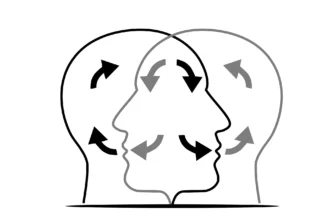
This creates a loop:
- Belief influences action
- Action creates results
- Results reinforce belief
Breaking negative loops and building positive ones is at the heart of personal development.
Self-Belief Affects Mental Clarity and Stress
Low self-belief often leads to overthinking, people-pleasing, and fear of judgment. Strong self-belief creates mental clarity. You spend less energy proving yourself and more energy improving yourself.
Common Reasons Self-Belief Is Weak
Before strengthening self-belief, it helps to understand what undermines it.
Past Failures or Criticism
Repeated criticism, especially early in life, can shape negative beliefs about competence or worth. The mind remembers emotional experiences more strongly than neutral ones.
Comparison With Others
Constant comparison creates unrealistic standards. You see others’ results but not their struggles, leading to distorted self-perception.
Perfectionism
Perfectionism often looks like high standards, but underneath it is fear. When mistakes feel unacceptable, self-belief becomes fragile.
The Power of Self-Belief and How to Strengthen It Daily
Build Evidence Through Small Wins
Self-belief grows from proof, not positive thinking alone. Small, consistent actions build evidence that you can rely on yourself.
Examples:
- Finishing a task you usually avoid
- Speaking up once instead of staying silent
- Following through on a small promise to yourself
Track these wins daily. Over time, your mind begins to expect success rather than failure.
Strengthening Self-Belief Through Self-Talk
Shift From Harsh Criticism to Constructive Feedback
Your inner dialogue matters. Negative self-talk weakens self-belief by attacking identity instead of behavior.
Instead of:
- “I’m terrible at this.”
Use:
- “This is challenging, and I’m learning.”
This approach aligns with cognitive behavioral principles, which emphasize realistic and flexible thinking.
Use Process-Based Language
Focus on effort, strategy, and learning rather than outcomes alone. This builds resilience and confidence even when results are not immediate.
Aligning Actions With Values
Self-belief increases when your actions match your values.
Why Integrity Builds Confidence
When you act in ways that reflect who you want to be, you develop self-respect. Self-respect is a foundation of self-belief.
Ask yourself:
- What kind of person do I want to become?
- What small action today reflects that identity?
Even simple choices, made consistently, strengthen belief in yourself.
Overcoming Fear Without Waiting for Confidence
One of the biggest myths is that confidence must come before action.
Confidence Is Built Through Action
Fear often fades after action, not before it. Each time you act despite doubt, your brain learns that discomfort is survivable.
A practical rule:
- Do the thing while confidence is low
- Let confidence catch up later
This mindset shift alone can transform productivity and personal growth.
Using Visualization and Mental Rehearsal
Athletes and performers use visualization to strengthen belief and performance. Mental rehearsal prepares the brain for success.
How to Practice Effectively
- Visualize yourself handling challenges calmly
- Focus on actions, not just outcomes
- Keep it realistic, not idealized
This technique builds familiarity and reduces fear of the unknown.
Building Self-Belief Through Environment
Your environment influences your mindset more than willpower alone.
Curate Inputs That Support Growth
- Limit exposure to constant negativity
- Learn from people who value effort and progress
- Consume content that challenges and educates rather than discourages
Environment shapes expectations, and expectations shape belief.
A Simple Daily Exercise to Strengthen Self-Belief
Try this five-minute routine:
- Write one thing you handled well today
- Write one challenge you faced
- Note what you learned from it
- Identify one small action for tomorrow
This practice reinforces progress, learning, and forward movement.
Self-Belief Is a Skill You Can Build
Understanding the power of self-belief and how to strengthen it can change how you approach work, relationships, and personal goals. Self-belief does not eliminate fear, failure, or uncertainty. It gives you the confidence to face them without losing faith in yourself.
Strengthen self-belief by:
- Taking small, consistent actions
- Speaking to yourself with honesty and respect
- Measuring progress against your past self
- Acting in alignment with your values
With time and practice, self-belief becomes a stable inner foundation that supports every area of life.
Frequently Asked Questions
Is self-belief the same as self-confidence?
They are related, but not identical. Self-belief is deeper and more stable, while confidence can vary by situation.
Can self-belief be rebuilt after failure?
Yes. Failure can actually strengthen self-belief when approached as feedback rather than identity.
How long does it take to strengthen self-belief?
It depends on consistency. Small improvements can appear within weeks, but lasting change develops over time.
Does self-belief mean ignoring weaknesses?
No. Strong self-belief includes awareness of weaknesses and confidence in your ability to improve them.
Can therapy or coaching help with self-belief?
Yes. Working with a professional can help uncover limiting beliefs and develop healthier thinking patterns.