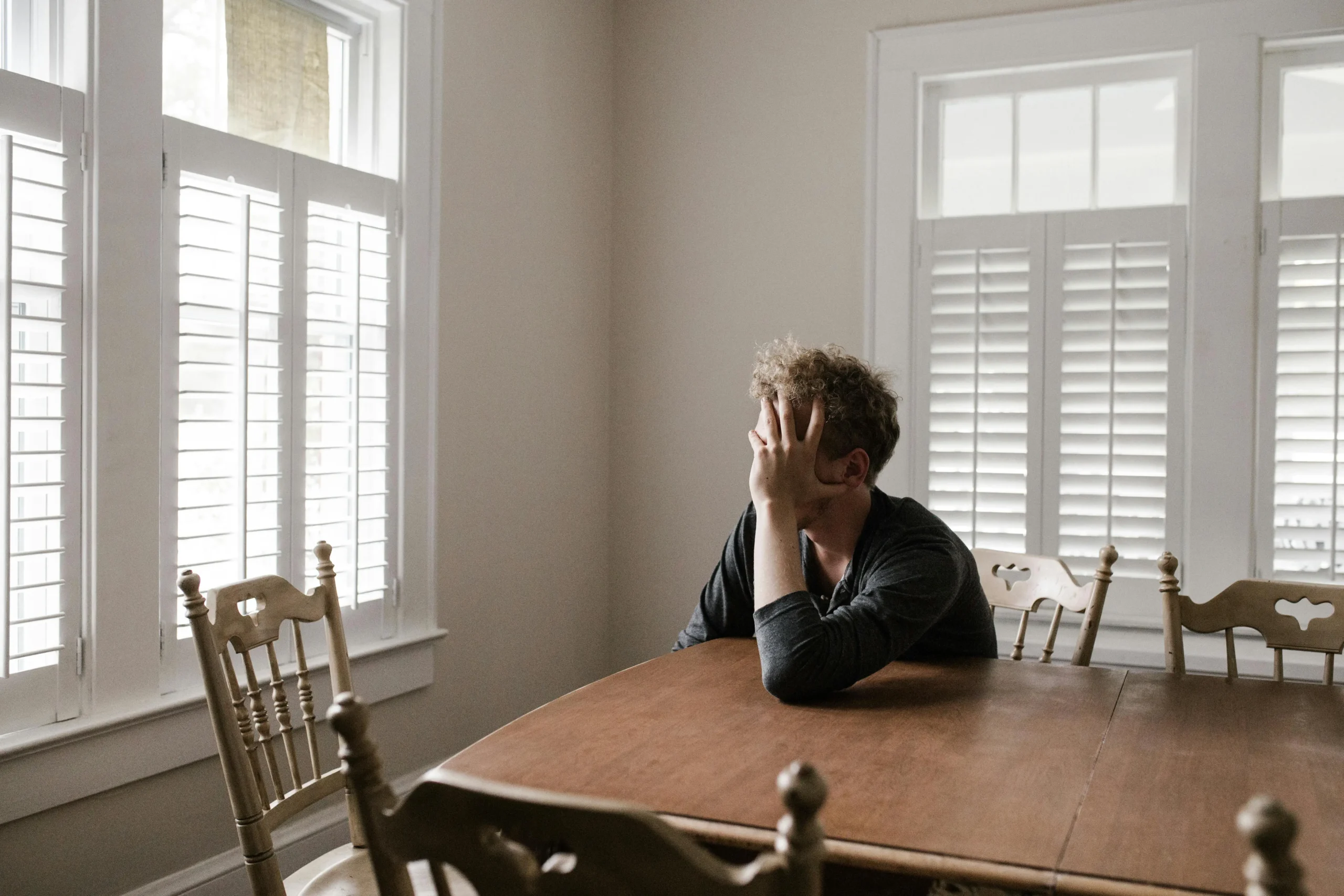
Anxiety doesn’t always arrive as a panic attack. For many people, it quietly shows up quietly a racing mind before bed, constant tension in the body, overthinking conversations, or a feeling of being “on edge” for no clear reason. If that sounds familiar, you’re not broken. You’re human.
This How to Reduce Anxiety Naturally (guide + tips) is written for people who want practical, realistic ways to calm anxiety without relying solely on medication or quick fixes. Natural approaches don’t mean ignoring science they mean working with your nervous system, habits, and mindset in a sustainable way.
Anxiety can be reduced. Not overnight, but steadily. Let’s break down how.
Understanding Anxiety Before You Try to Fix It
Anxiety is not a flaw or weakness. It’s a survival response.
Your brain’s threat system (the amygdala) is designed to protect you. The problem today is that it often reacts to emails, deadlines, social pressure, or imagined futures the same way it once reacted to physical danger.
When anxiety becomes chronic, it’s usually because:
- Your nervous system stays in “alert mode.”
- Your mind constantly scans for what could go wrong
- Your body never fully relaxes
Reducing anxiety naturally starts by calming the nervous system first, then retraining thought patterns.
How to reduce anxiety naturally (guide + tips) by calming your nervous system
Before mindset work, productivity hacks, or positive thinking, your body needs to feel safe. These strategies are backed by psychology and neuroscience principles.
1. Use breathing to signal safety to your brain
Slow breathing activates the parasympathetic nervous system the part responsible for rest and calm.
Try this simple exercise:
- Inhale through your nose for 4 seconds
- Hold for 2 seconds
- Exhale slowly through your mouth for 6 seconds
- Repeat for 3–5 minutes
This isn’t about forcing calm. It’s about gently telling your body there is no immediate threat.
2. Move your body, even when you don’t feel like it
Anxiety is stored energy. If it doesn’t move, it loops.
You don’t need intense workouts. Consistent, moderate movement works best:
- Walking outdoors
- Stretching or yoga
- Light strength training
- Slow jogging or cycling
Movement helps regulate stress hormones like cortisol and improves mood-related neurotransmitters.
3. Reduce nervous system overload
Modern life constantly overstimulates the brain.
Practical ways to lower input:
- Limit news consumption
- Take breaks from social media
- Avoid caffeine if you’re sensitive
- Create at least one quiet period daily
Less input equals less mental noise.
Mindset shifts that reduce anxiety long-term
Once your body feels calmer, mindset work becomes much more effective.
Stop treating anxious thoughts as facts
Anxious thoughts feel urgent, but they are not predictions they are possibilities.
Instead of:
“I’m going to mess this up.”
Try:
“My mind is trying to protect me, but I don’t need to solve this right now.”
This psychological distancing technique is commonly used in cognitive behavioral approaches.
Practice uncertainty tolerance
Anxiety thrives on the need for certainty. Life doesn’t provide it.
You can train your mind to tolerate uncertainty by:
- Making small decisions without overthinking
- Letting some questions remain unanswered
- Resisting the urge to seek constant reassurance
Confidence grows when you realize you can handle discomfort.
Daily habits that support mental calm
Anxiety reduction is built through daily systems, not one-time techniques.
1. Improve sleep consistency (not perfection)
Poor sleep increases anxiety sensitivity.
Focus on:
- Going to bed and waking up at similar times
- Reducing screen use before bed
- Creating a calming nighttime routine
Even small improvements in sleep reduce emotional reactivity.
2. Eat to stabilize blood sugar
Blood sugar crashes can mimic anxiety symptoms.
Helpful habits include:
- Eating regular meals
- Including protein and healthy fats
- Avoiding excessive sugar on an empty stomach
This supports both mental clarity and energy levels.
3. Journal to unload mental pressure
Writing helps externalize worries so they stop looping.
Try this prompt:
“What am I worried about right now, and what is actually within my control?”
This builds self-awareness and emotional regulation.
Real-life example: Anxiety at work
Imagine someone who feels anxious every morning before work.
Instead of trying to “think positive,” they:
- Take a 5-minute breathing break before leaving
- Walk during lunch instead of scrolling
- Write down worries at the end of the day instead of replaying them at night
Over time, their anxiety doesn’t disappear, but it becomes manageable. This is how real progress looks.
When natural methods aren’t enough
Natural strategies are powerful, but they’re not a replacement for professional help when anxiety becomes overwhelming.
Consider seeking support if:
- Anxiety interferes with daily functioning
- You experience panic attacks frequently
- You avoid important areas of life
Therapy, coaching, or medical guidance can work alongside natural methods, not against them.
Frequently Asked Questions
Can anxiety really be reduced naturally?
Yes. Many people significantly reduce anxiety through lifestyle changes, nervous system regulation, and mindset work. Results vary, but consistency matters more than intensity.
How long does it take to see improvement?
Some techniques offer immediate relief (like breathing), while deeper changes usually take weeks of consistent practice.
Is anxiety always a mental issue?
No. Anxiety involves the body, brain, hormones, and environment. That’s why a whole-person approach works best.
Should I avoid anxiety triggers?
Avoidance can increase anxiety long-term. Gradual exposure, combined with calming tools, helps build resilience.
A calmer life is built, not forced
Learning how to reduce anxiety naturally (guide + tips) isn’t about eliminating fear or becoming calm all the time. It’s about building trust in yourself and trusting that you can feel discomfort and still move forward.
Start small. Breathe slower. Move your body. Question your thoughts gently. Create habits that support your nervous system.
Anxiety loses its grip when you stop fighting it and start understanding it.