Most people don’t fail because they lack talent or intelligence. They struggle because they believe their abilities are fixed. They assume, “This is just how I am,” and stop growing. Learning how to develop a growth mindset in daily life can change how you approach challenges, mistakes, learning, and even failure.
A growth mindset is not motivational talk or blind positivity. It is a practical way of thinking that helps you improve skills, build confidence, and stay resilient when life doesn’t go as planned. This article will show you exactly how to develop a growth mindset in daily life, using clear steps you can apply immediately.
What Is a Growth Mindset?
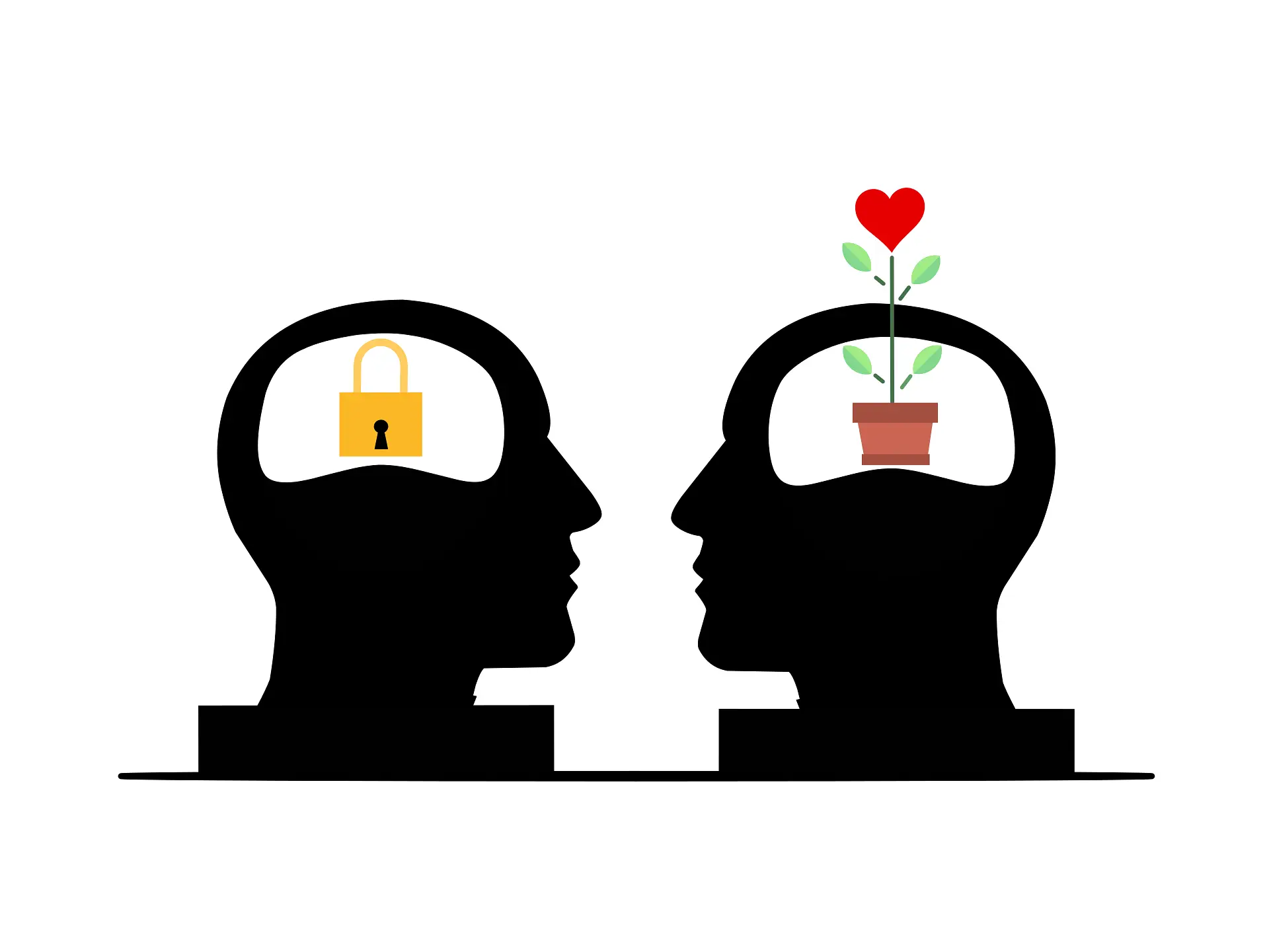
The concept of a growth mindset comes from psychologist Carol Dweck’s research on motivation and learning. According to this framework, people generally operate from one of two mindsets:
- Fixed mindset: Belief that abilities, intelligence, and talent are static
- Growth mindset: Belief that skills and abilities can be developed through effort, learning, and persistence
A growth mindset doesn’t mean you can become anything overnight. It means you understand that improvement is possible through consistent effort and smart strategies.
Why Developing a Growth Mindset Matters in Daily Life
Your mindset influences how you respond to everyday situations, not just big goals.
A fixed mindset often leads to:
- Fear of failure
- Avoiding challenges
- Taking criticism personally
- Giving up easily
A growth mindset encourages:
- Learning from mistakes
- Embracing challenges
- Constructive self-talk
- Long-term personal growth
When you develop a growth mindset in daily life, even small setbacks become learning opportunities instead of emotional roadblocks.
How to Develop a Growth Mindset in Daily Life (Step-by-Step)
Building a growth mindset is a daily practice, not a one-time decision. Here’s how to start.
Step 1: Become Aware of Your Inner Dialogue
Your thoughts shape your beliefs.
Pay attention to phrases you tell yourself during difficulty, such as:
- “I’m not good at this”
- “I always mess things up”
- “Others are just naturally better”
These are fixed mindset signals.
Replace them with growth-oriented language:
- “I’m still learning this”
- “I haven’t figured it out yet”
- “What can I improve next time?”
The word “yet” is powerful. It reminds your brain that progress is possible.
Step 2: Reframe Failure as Feedback
Failure feels uncomfortable because the brain associates it with threat or rejection. But failure is not proof of inadequacy.
Ask yourself:
- What didn’t work?
- What can this teach me?
- What will I do differently next time?
This approach aligns with cognitive behavioral principles, where meaning-making matters more than the event itself. People who treat mistakes as data learn faster and stay motivated longer.
Step 3: Focus on Effort, Not Just Results
A growth mindset values the process, not only the outcome.
Instead of asking:
“Did I succeed?”
Ask:
- Did I put in focused effort?
- Did I use the right strategy?
- Did I stay consistent?
This builds internal motivation and resilience. Over time, results improve naturally when effort and learning become the priority.
Step 4: Seek Challenges Instead of Comfort
Comfort zones feel safe, but they limit growth.
In daily life, challenge yourself in small ways:
- Speak up in a meeting
- Try a new skill
- Ask for feedback
Growth happens at the edge of discomfort, not in extremes. You don’t need dramatic changes — just consistent stretching beyond what feels easy.
Step 5: Learn From Others Without Comparing Yourself
Comparison often leads to discouragement, especially on social media.
Shift your perspective:
- Instead of “I’ll never be that good”
- Think “What can I learn from them?”
A growth mindset turns comparison into inspiration. Use others as references, not measurements of your worth.
Step 6: Build Daily Learning Habits
Growth-minded people treat learning as a lifestyle.
Simple daily habits include:
- Reading a few pages of a useful book
- Reflecting on lessons learned each day
- Watching educational content intentionally
- Practicing skills regularly
Learning compounds over time. Even 20 minutes a day can lead to significant improvement over months.
Step 7: Accept That Growth Is Not Linear
Progress rarely moves in a straight line.
Some days you’ll feel confident and capable. Other days, doubt returns. This is normal.
A growth mindset means:
- You don’t quit during slow periods
- You don’t judge yourself harshly
- You stay committed to the long-term process
Consistency matters more than motivation.
Common Daily Situations Where Growth Mindset Matters
At Work or Studies
- Accept feedback as guidance, not criticism
- Learn new skills instead of avoiding difficulty
In Relationships
- Improve communication instead of blaming
- Learn from conflicts rather than repeating them
With Personal Goals
- Adjust strategies instead of quitting
- Track effort, not perfection
A growth mindset is most powerful when applied to everyday moments, not just big ambitions.
Simple Exercise: Growth Mindset Journaling
At the end of the day, write answers to these three questions:
- What challenged me today?
- What did I learn from it?
- How can I improve tomorrow?
This reflection strengthens self-awareness and reinforces growth-oriented thinking over time.
FAQ: How to Develop a Growth Mindset in Daily Life
Can anyone develop a growth mindset?
Yes. Research shows mindset is learned, not fixed. With awareness and practice, anyone can shift their thinking patterns.
Does a growth mindset mean ignoring limitations?
No. It means acknowledging limitations while believing improvement is possible through effort and learning.
How long does it take to build a growth mindset?
It’s an ongoing process. Many people notice changes in a few weeks, but true mindset shifts happen through consistent practice.
Can a growth mindset reduce anxiety?
Indirectly, yes. When failure feels less threatening, anxiety around performance and judgment often decreases.
Is positive thinking the same as a growth mindset?
No. The growth mindset is realistic and effort-based, not blind optimism. It accepts difficulty and focuses on improvement.
Making Growth a Daily Choice
Learning how to develop a growth mindset in daily life is one of the most valuable skills you can build. It affects how you handle failure, pursue goals, and relate to yourself during difficult moments.
You don’t need to change everything at once. Start by changing how you speak to yourself, how you respond to mistakes, and how you approach learning.
Growth is not about becoming someone else. It’s about becoming better than you were yesterday, one intentional step at a time.