
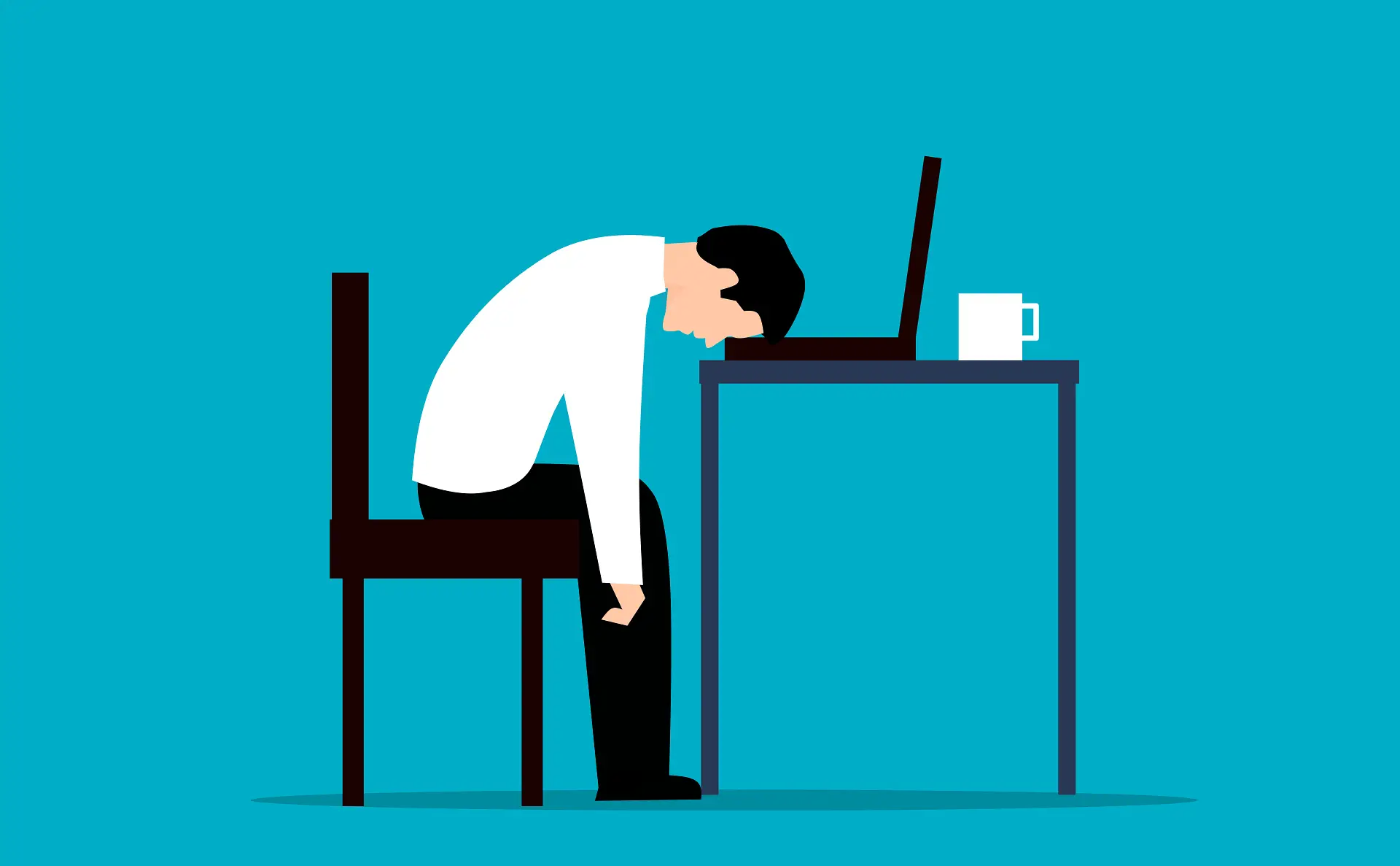
“Why Gen Z Feels Unmotivated” is one of the most searched questions in the self-improvement space right now, and for good reason. Across schools, workplaces, and even creative fields, many young adults report feeling stuck, drained, or disconnected from their goals.
If you’ve ever opened your laptop, stared at your to-do list, and still done nothing… you’re not lazy. You’re likely overwhelmed, overstimulated, or mentally exhausted.
In this guide on Why Gen Z Feels Unmotivated, we’ll break down the real reasons behind the motivation crisis—and most importantly, how to fix it fast with practical, realistic strategies.
The Real Reasons Behind Why Gen Z Feels Unmotivated
Before fixing the problem, we need to understand it.
Here’s what research and behavioral trends show:
- 60%+ of Gen Z reports feeling persistent stress (APA surveys).
- Over 70% say social media affects their self-esteem.
- Many feel uncertain about career stability and finances.
Unlike previous generations, Gen Z grew up with:
- Constant digital stimulation
- Academic competition
- Global crises (pandemic, inflation, climate anxiety)
- Remote learning and isolation
This isn’t a weakness. It’s overload.
Mental Health & Why Gen Z Feels Unmotivated
One major reason why Gen Z feels unmotivated is directly linked to mental health.
1. Anxiety & Depression
Low motivation is often a symptom—not a character flaw.
Common signs:
- Procrastination
- Low energy
- Brain fog
- Avoidance behavior
According to insights frequently discussed by platforms like Psychology Today, chronic stress rewires the brain’s reward system.
When everything feels overwhelming, even simple tasks feel heavy.
2. Decision Fatigue
Endless choices drain mental energy:
- What career path?
- What side hustle?
- What content to post?
- What skill to learn?
Too many options = paralysis.
Social Media & Dopamine Overload
Another major reason behind why Gen Z feels unmotivated is dopamine imbalance.
Instant Gratification Culture
Platforms like Instagram and TikTok train the brain to expect:
- Quick rewards
- Fast validation
- Instant results
Real-life goals don’t work that way.
Studying, building a business, and improving fitness—these require delayed gratification.
When your brain is used to 30-second rewards, 30-day results feel boring.
Comparison Trap
Scrolling exposes you to:
- 19-year-old millionaires
- Perfect bodies
- “Overnight success” stories
It creates unrealistic standards.
This is frequently analyzed in business and culture commentary by outlets like Forbes, which highlight how digital comparison affects productivity.
Career Pressure & Financial Anxiety
Let’s talk about reality.
Many Gen Z adults face:
- Rising living costs
- Competitive job markets
- AI-related job uncertainty
- Student loans (globally relevant issue)
Unmotivated”No wonder why “Gen Z Feels Unmotivated keeps trending.
When the future feels unstable, long-term planning becomes stressful instead of exciting.
Burnout Before 25
Burnout used to be a 40-year-old problem.
Now it’s a 20-year-old reality.
Causes of Early Burnout
- Hustle culture
- Side hustle pressure
- Academic competition
- Content creation stress
Gen Z is told:
“Build your brand.”
“Monetize your passion.”
“Don’t waste time.”
That constant pressure drains intrinsic motivation.
Why Gen Z Feels Unmotivated: How to Fix It Fast
Now let’s move from problem to solution.
Here’s a practical reset plan.
1. Reset Your Dopamine (48-Hour Rule)
Take 48 hours to reduce:
- Social media
- Junk food
- Gaming
- -watchingBinge watching
Replace with:
- Walking
- Journaling
- Reading
- Gym
This helps your brain recalibrate reward sensitivity.
2. Use the 5-Minute Activation Rule
Instead of saying:
“I’ll study for 2 hours.”
Say:
“I’ll start for 5 minutes.”
Action creates motivation—not the other way around.
Once you begin, momentum builds naturally.
3. Cut Goals in Half
Big goals overwhelm.
Instead of:
“Launch a business.”
Start with:
- Research 3 ideas.
- Write 1 page.
- Watch 1 tutorial.
Micro-wins rebuild confidence.
4. Create a “No Zero Days” Rule
Every day must include:
- 1 productive task
- 1 self-care action
- 1 learning moment
Even small efforts prevent identity damage.
5. Fix Your Sleep First
Sleep deprivation mimics depression symptoms.
Aim for:
- 7–9 hours
- No phone 30 minutes before bed
- Consistent timing
Energy fuels motivation.
6. Reduce Comparison Exposure
Unfollow accounts that trigger:
- Insecurity
- Pressure
- Anxiety
Curate your feed for growth—not comparison.
You can explore related insights on building mental discipline in our guide on building self-discipline habits (internal link suggestion).
7. Clarify Your “Why”
feels unmotivatedOften why Gen Z Feels Unmotivated comes from lack of direction—not laziness.
Ask yourself:
- What lifestyle do I want?
- Who do I want to become?
- What skills support that vision?
Clarity creates drive.
For deeper mindset transformation, read our article on how to rebuild confidence after failure (internal link suggestion).
Daily 30-Minute Motivation Reset Routine
Here’s a practical structure:
Morning (10 min):
- No phone
- Stretch
- Set 1 priority task
Midday (10 min):
- 15-minute focused work sprint
- No distractions
Night (10 min):
- Journal 3 wins
- Plan tomorrow’s 1 key task
Simple. Sustainable. Effective.
Signs It’s Not Laziness
Sometimes why Gen Z feels unmotivated isn’t about habits.
It could be:
- Clinical depression
- ADHD
- Chronic stress disorder
If motivation issues persist beyond weeks and impact daily life, consider professional help.
There’s strength in support.
FAQs
1. Why Does Gen Z Feel Unmotivated Compared to Other Generations?
Gen Z faces digital overload, economic uncertainty, social comparison, and early burnout at unprecedented levels.
2. Is why Gen Z feels unmotivated related to social media?
Yes. Dopamine overstimulation and comparison culture significantly impact motivation levels.
3. How can I quickly fix why Gen Z feels unmotivated?
Start with a dopamine reset, micro-goals, improved sleep, and reduced comparison.
4. Is why Gen Z feels unmotivated a mental health issue?
Sometimes. Persistent low motivation may signal anxiety or depression.
5. Can discipline solve why Gen Z feels unmotivated?
Discipline helps, but environment design and mental clarity are equally important.
Motivation Is Built, Not Found
If you’ve been wondering why Gen Z feels unmotivated, the truth is simple:
It’s not a character flaw.
It’s a system overload.
The good news?
You can reset your brain.
You can rebuild focus.
You can create momentum.
Start small.
Start today.
Start imperfectly.
At theselfrise.com, we believe growth is a process—not pressure.
Your comeback doesn’t need to be dramatic.
It just needs to begin.