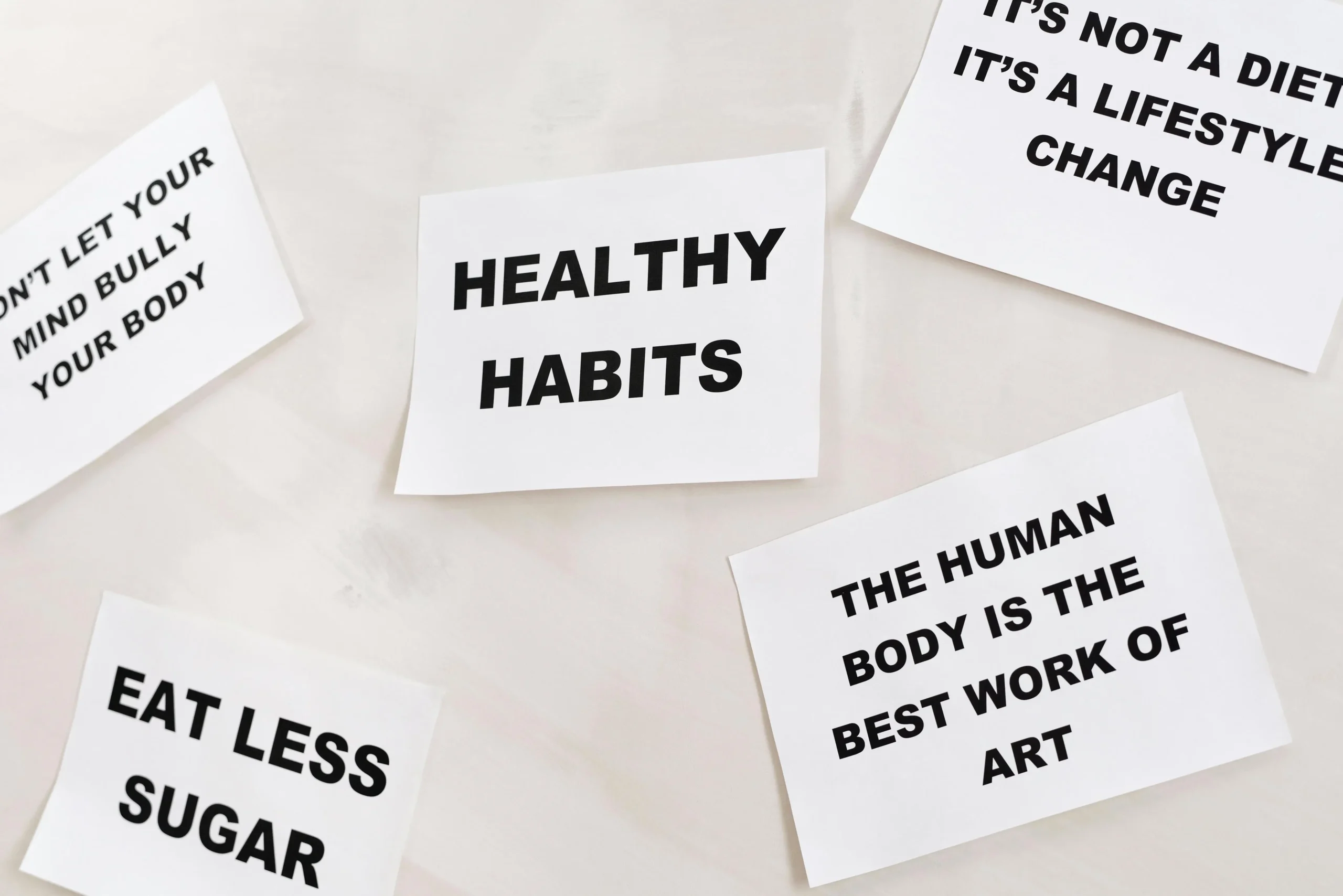
How to Build Healthy Habits That Stick If you have ever started a new habit feeling motivated, only to quit a few weeks later, you are not lazy or undisciplined. You are human. Many people struggle not because they lack willpower, but because they don’t understand how to build healthy habits that stick in real life.
Healthy habits shape your confidence, productivity, mental clarity, and long-term well-being. The challenge is not knowing what to do but learning how to make habits sustainable even when motivation fades. This article will walk you through a realistic, psychology-based approach to building habits that last, without relying on hype or unrealistic routines.
Why Most Healthy Habits Fail
Before learning how to build healthy habits that stick, it’s important to understand why most attempts fail.
Common reasons include:
- Starting too big and burning out quickly
- Relying on motivation instead of systems
- Expecting instant results
- Trying to change everything at once
- Ignoring emotional and environmental triggers
Research in behavioral psychology shows that habits are formed through consistent repetition in stable contexts, not intense effort for short periods. Long-term change is about design, not force.
How to Build Healthy Habits That Stick: The Core Principles
1. Start Small Enough to Succeed
One of the biggest mistakes people make is setting goals that are too ambitious at the beginning.
Instead of:
- “I will work out for 60 minutes every day.”
Try:
- “I will do 5 minutes of movement after waking up”
Small habits:
- Lower resistance
- Build consistency
- Create identity-based change
Once a habit feels automatic, you can gradually expand it.
2. Focus on Identity, Not Just Outcomes
Healthy habits stick when they are connected to who you believe you are.
Instead of focusing on results:
- “I want to lose weight.”
- “I want to be productive.”
Shift to identity:
- “I am someone who takes care of my body.”
- “I am someone who follows through.”
Every small habit is a vote for the type of person you want to become. This identity-based approach is widely supported in behavioral science and habit formation research.
3. Design Your Environment for Success
Willpower is unreliable. The environment is powerful.
If you want to build healthy habits that stick:
- Make good habits easier
- Make bad habits harder
Examples:
- Keep healthy snacks visible, not hidden
- Lay out workout clothes the night before
- Remove distracting apps from your phone
- Use website blockers during focus hours
Your environment silently shapes your behavior more than motivation ever will.
The Habit Loop: How Habits Actually Form
Understanding the habit loop helps you change behavior more effectively.
The Three Parts of Every Habit
- Cue—the trigger that starts the behavior
- Routine—the action itself
- Reward—the benefit your brain associates with it
Example:
- Cue: Feeling stressed
- Routine: Scrolling social media
- Reward: Temporary relief
To build healthy habits, don’t fight the cue. Replace the routine with a healthier response that delivers a similar reward.
Habit Stacking: A Powerful Strategy
Habit stacking means attaching a new habit to an existing one.
Formula:
- “After I [current habit], I will [new habit].”
Examples:
- After brushing my teeth, I will stretch for 2 minutes
- After making coffee, I will write one priority task
- After sitting at my desk, I will take three deep breaths
This method works because it uses an already established cue.
Overcoming Common Habit Challenges
When Motivation Disappears
Motivation comes and goes. Systems stay.
To stay consistent:
- Schedule habits at the same time daily
- Track streaks, not perfection
- Focus on showing up, not performing perfectly
Progress is built through consistency, not intensity.
When You Miss a Day
Missing once is normal. Missing twice is dangerous.
Instead of quitting:
- Resume immediately
- Avoid self-criticism
- Treat setbacks as feedback
Self-compassion increases long-term habit adherence more than self-punishment.
Healthy habits should support your life, not overwhelm it.
On busy days:
When Life Gets Busy
- Shrink the habit; don’t skip it
- Do the minimum viable version
- Maintain the identity, even at low effort
Five minutes still counts.
Practical Daily Exercise: The Habit Builder Worksheet
Use this simple framework:
- Choose one habit
- Define the smallest version
- Attach it to a daily cue
- Remove friction
- Track consistency
Example:
- Habit: Reading
- Small version: 2 pages
- Cue: After dinner
- Friction removed: Book placed on table
This process dramatically increases follow-through.
The Role of Mindset in Habit Formation
Your thoughts influence your behavior more than you realize.
Helpful mindset shifts:
- “Consistency beats perfection.”
- “I’m practicing, not performing.”
- “This is who I am becoming.”
When habits are aligned with self-respect rather than self-pressure, they last longer.
Long-Term Habit Maintenance
To make habits permanent:
- Review habits monthly
- Adjust when life changes
- Celebrate consistency, not results
- Avoid comparing your routine to others
Healthy habits evolve with you. Flexibility is part of sustainability.
Build Habits That Support the Life You Want
Learning how to build healthy habits that stick is not about discipline or motivation. It’s about understanding behavior, designing your environment, and showing up consistently in small ways.
Start small. Focus on identity. Build systems that work for your real life. When habits become part of who you are, they stop feeling like effort and start feeling natural.
Your future self is built by the small actions you repeat today.